
Why Crypto Fails the Middle Class
27 April 2026
What is “Crypto,” Truly?
At its core, cryptocurrency is a digital asset designed to work as a medium of exchange. It uses cryptography (advanced math) to secure transactions and control the creation of new units. Unlike the money in your bank, it is “decentralized,” meaning no single government or bank is in charge.
The Cousins of Crypto: Virtual Assets
Cryptocurrency was just the beginning. Today, the “Virtual Asset” family has grown to include:
NFTs (Non-Fungible Tokens): Digital certificates of ownership for unique items, like art or collectibles.
Stablecoins: Tokens pegged to the value of a “real” currency like the U.S. Dollar (though they often lack the same legal protections).
DeFi Governance Tokens: Assets that give you “voting rights” in digital financial protocols.
Mining: Creating Value from Electricity
To “mine” crypto, powerful computers solve complex mathematical puzzles. When a puzzle is solved, the miner is rewarded with a new coin. While it sounds high-tech, it is essentially a high-cost digital lottery.
But what does “owning” these assets actually mean? Owning a Bitcoin or an NFT doesn’t mean you own a piece of a company or a bar of gold. It simply means you hold the exclusive “private key” to a specific piece of data on a ledger. You own a record that says, “This belongs to me.”
The Illusion of Money: The Missing Promise
As we’ve discussed in my other article about what is money, cryptocurrency technically follows the “Rules of Money” laid out by economists like Aristotle. It is durable, portable, divisible, uniform, and scarce. However, there is a massive bridge missing between crypto and the money you use to buy milk.
The “Sum of X” vs. The “Right to Move Data” When you hold fiat currency (like Dollars or Euros), the Central Bank promises the bearer that they will pay or settle a “sum of X.” It is a legal mandate backed by the state’s power to tax and govern.
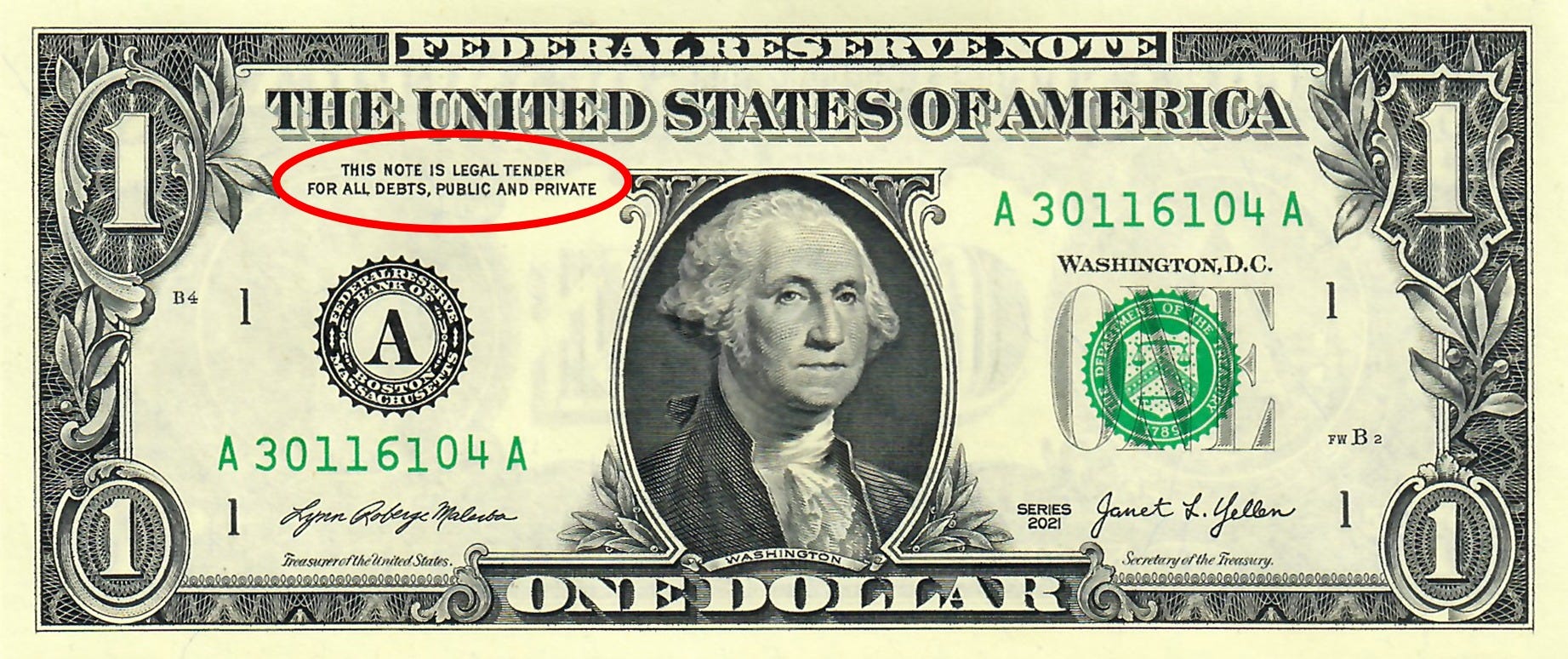
Cryptocurrency has no such promise. The network guarantees that you—and only you—have the exclusive right to move that specific unit of data on the ledger. The technology ensures your ownership is secure, but it says nothing about the value of that data. Its value is determined purely by belief—specifically, what the next person is willing to trade for that right.
The Reality Check: If the “next person” decides they no longer want that data, your exclusive ownership remains 100% intact, but its value is exactly zero. You can’t force a grocery store or a utility company to accept “data” when they are looking for “currency.”
Why Crypto is a Danger Zone for the Middle Class
The middle-class investor builds wealth through stability and the protection of their downside. Crypto is designed for the opposite.
1. Volatility is a Net-Worth Killer
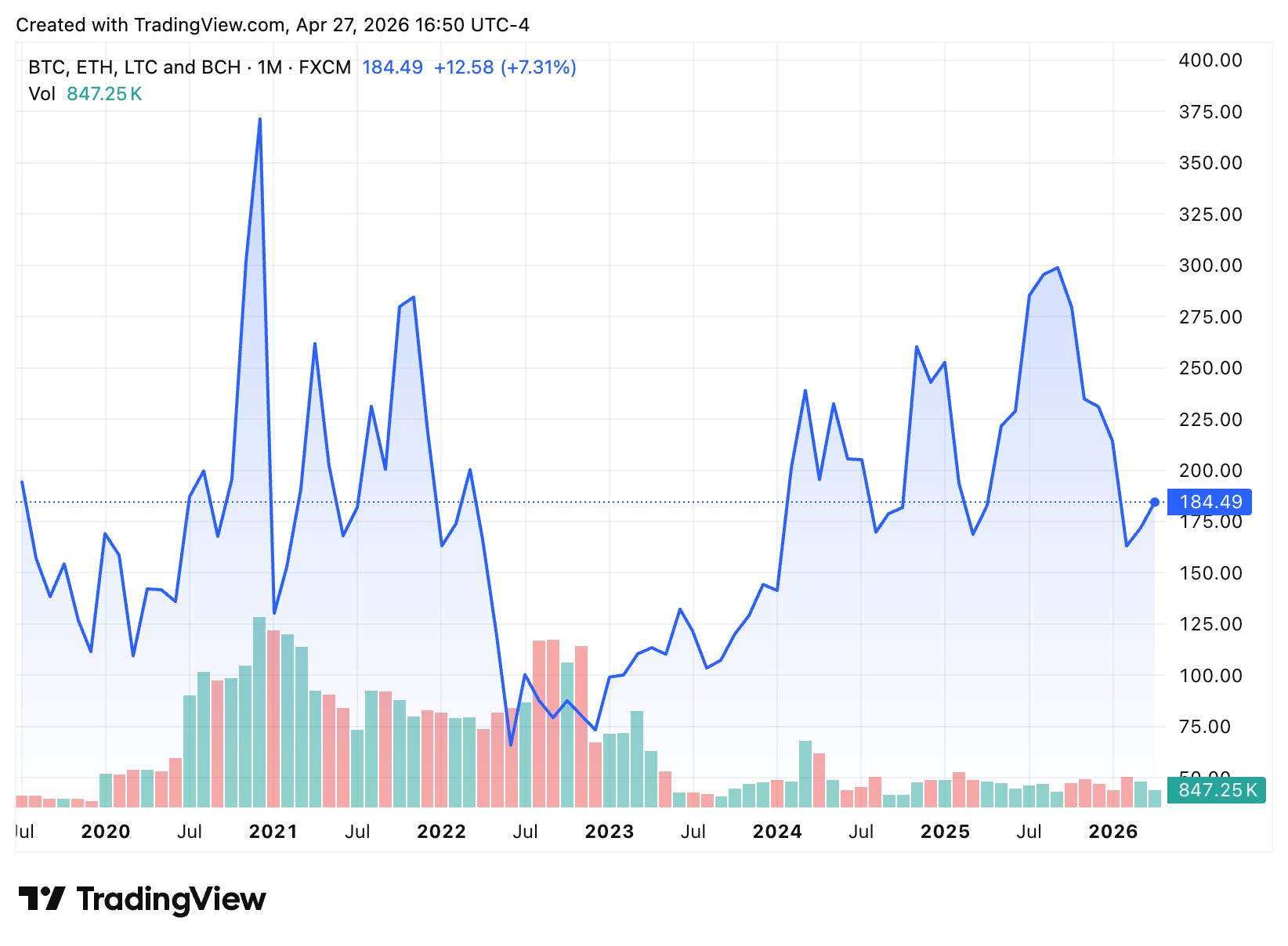
Middle-class life requires liquidity for emergencies. If your “emergency fund” is in an asset that can drop 20% while you’re at lunch, it isn’t an emergency fund—it’s a liability. The following chart illustrates the price volatility of the top five cryptocurrencies from July 2019 through March 2026. Despite significant intermittent fluctuations, the sector saw negligible net growth when comparing the beginning and end of this seven-year period.
2. “The Promise” Has No Customer Service
If your credit card is stolen, you call the bank. If you lose your crypto “private keys” or send tokens to the wrong digital address, your money is gone forever. There is no “undo” button in math.
3. The “Losing Twice” Scenario
Many suggest crypto as a “hedge,” but in times of economic stress, crypto often crashes alongside the stock market. You end up losing on your “safe” investments and your “speculative” bets simultaneously, leaving your family’s net worth decimated when you need it most.
4. Scarcity is Not Value
Just because something is scarce doesn’t mean it’s useful. A limited-edition digital rock is scarce, but it doesn’t produce earnings, dividends, or shelter.
5. The Regulatory Hammer
As we move through 2026, governments are increasingly cracking down on virtual assets. The administrative burden of tracking every trade for the taxman—coupled with the risk of an exchange being shut down—is a headache the middle class doesn’t need.
The “Cool Tech” vs. The “Bad Currency”
It is important to acknowledge that the underlying technology—Blockchain—is undeniably brilliant. It has the potential to revolutionize:
Supply Chain Tracking: Knowing exactly where your food came from.
Smart Contracts: Agreements that execute themselves without expensive lawyers.
Secure Voting: Making elections more transparent and tamper-proof.
But here is the distinction: The technology is a tool; the currency is an opinion. The fact that the tech is useful doesn’t mean the “data” generated by it is a real currency. Just because a car is a marvel of engineering doesn’t mean you should invest your life savings in the “exhaust fumes” it produces. Crypto is essentially data treated as currency, but it lacks the institutional backing required to be a “real” currency that reliably pays bills.
The Bottom Line
If you are a billionaire or a high-stakes speculator, crypto is a game you can afford to play. But if you are a middle-class investor trying to save for retirement, crypto is not the answer.
Retirement is built on the “Rule of Law,” compound interest, and productive assets that generate value. Crypto is a “Rule of Math” gamble that relies on finding a “Greater Fool” to buy you out. Don’t gamble your future on a string of data.